
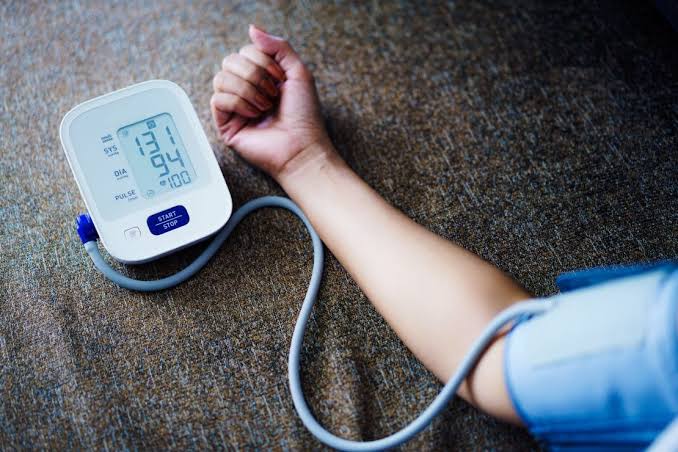
Physical Activity Declines With Age
The study, published in the American Journal of Preventive Medicine, tracked participants over three decades using physical assessments and questionnaires about exercise habits, smoking, and alcohol consumption. Results showed that activity levels sharply declined between ages 18 and 40, with hypertension rates rising as physical activity fell. Researchers suggest young adulthood is a crucial period for interventions to prevent midlife high blood pressure.
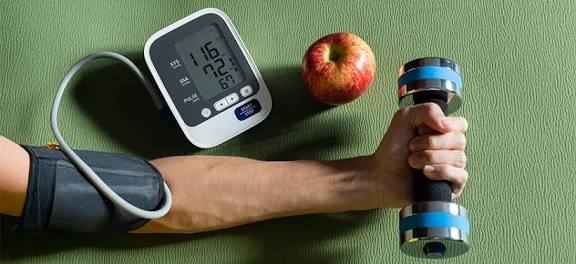

Lead author Jason Nagata from UCSF emphasized that participants who maintained five hours of moderate exercise per week – double the current minimum adult guidelines – showed a significantly lower risk of hypertension, especially when continued into their 60s. This highlights that exceeding the minimum recommended levels of activity may provide better protection against high blood pressure.
Racial Disparities in Hypertension
The study also revealed stark racial differences. By age 60, 80–90% of Black men and women had hypertension compared to about 70% of White men and 50% of White women. Socioeconomic factors, neighborhood environments, and work or family responsibilities likely contribute to these disparities, with Black participants showing steeper declines in physical activity through adulthood.
Social Factors Impact Exercise
Researchers noted that life transitions such as entering college, joining the workforce, or starting a family can reduce leisure time for exercise. Nearly half of participants in young adulthood had suboptimal activity levels, indicating a need to promote higher physical activity standards to curb future hypertension risks. Social programs, community sports, and workplace wellness initiatives could play a critical role in maintaining exercise habits.
Public Health Implications
Hypertension, often called the “silent killer,” affects over a quarter of men and one in five women worldwide. Sustained physical activity, particularly through young and middle adulthood, is a practical and effective method to prevent high blood pressure and related