Employment Generation Initiatives
The Ministry of Labour and Employment has developed the National Career Service (NCS) portal, a one-stop platform for job seekers. The portal connects unorganised workers with opportunities across government and private sectors. It also provides information on career counselling, vocational guidance, job fairs, and training programmes. By digitalising access, the NCS makes job search more transparent and accessible for workers who previously relied on word of mouth or middlemen.
In addition, the Directorate General of Employment offers several employment generation programmes. Full details of these schemes are available on the official website, giving workers and employers a clear view of available opportunities and support.
Pension Security for Unorganised Workers
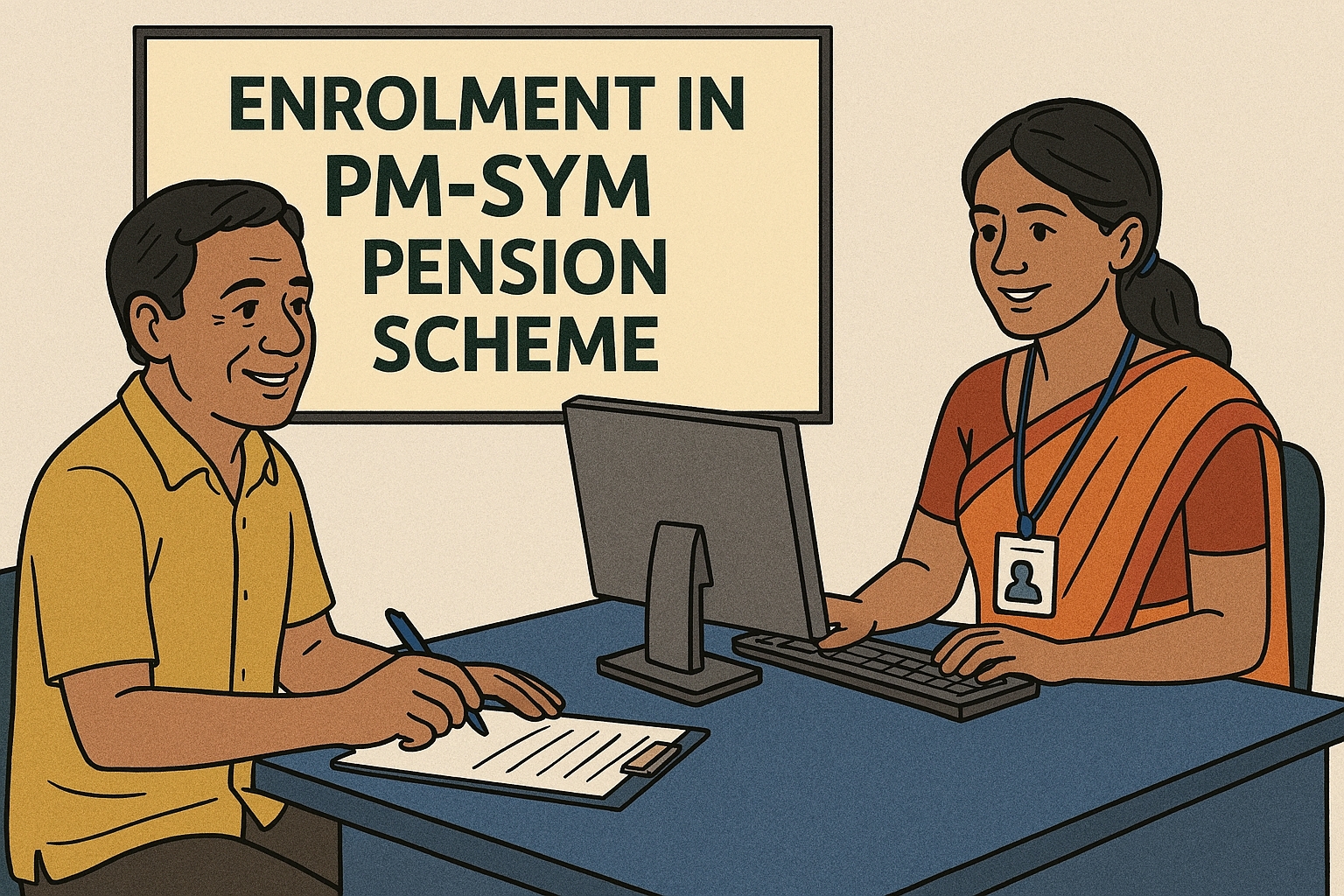
Recognising the vulnerability of informal workers in old age, the government launched the Pradhan Mantri Shram Yogi Maan-dhan (PM-SYM) scheme in February 2019. The scheme provides a monthly pension of ₹3,000 after the age of 60. It is voluntary and contributory, allowing workers to enrol with flexible contributions during their working years.
Eligible workers such as street vendors, domestic workers, and daily wage labourers can register online through the PM-SYM portal. This initiative has been hailed as a step towards ensuring financial security for those who are otherwise excluded from formal pension benefits.
 Measuring Poverty Beyond Income
Welfare planning also requires accurate data. To better capture deprivation among households, NITI Aayog introduced India’s first Multidimensional Poverty Index (MPI) in 2021. The MPI looks beyond income and includes 12 indicators across health, education, and living standards. Unique to India’s framework are additional indicators for maternal health and bank account ownership.
The second edition of the index was released in 2023. By aligning with the global MPI model of the United Nations Development Programme (UNDP) and Oxford Poverty and Human Development Initiative (OPHI), India ensures international comparability while reflecting local priorities. This data-driven approach helps policymakers target schemes more effectively to benefit urban unorganised workers.
Challenges in the Unorganised Sector
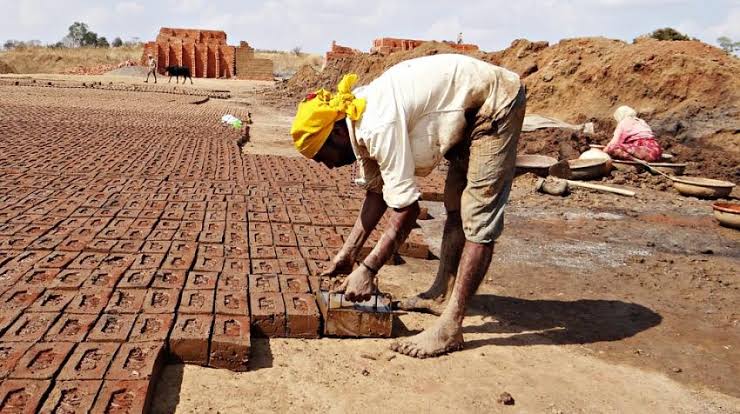
Despite these initiatives, unorganised urban workers continue to face hurdles such as job insecurity, lack of health insurance, and limited access to financial services. Migrant workers, in particular, struggle with unstable employment and inadequate housing facilities in cities. The COVID-19 pandemic highlighted these vulnerabilities, making welfare measures more urgent than ever.
Experts suggest that while pension schemes and job portals are helpful, awareness campaigns are crucial. Many workers remain unaware of benefits like PM-SYM or lack the digital literacy to enrol. Bridging this gap is essential to ensure that government initiatives reach those who need them most.
The Way Forward
The focus on unorganised workers reflects a broader policy shift towards inclusive growth. By strengthening social security and employment support, the government aims to reduce inequality and enhance resilience among low-income households. The success of these programmes, however, will depend on ground-level implementation, ease of enrolment, and active collaboration with state governments and civil society groups.
With India’s urban workforce forming the backbone of its service and construction sectors, providing them with reliable welfare measures is both an economic necessity and a social responsibility.