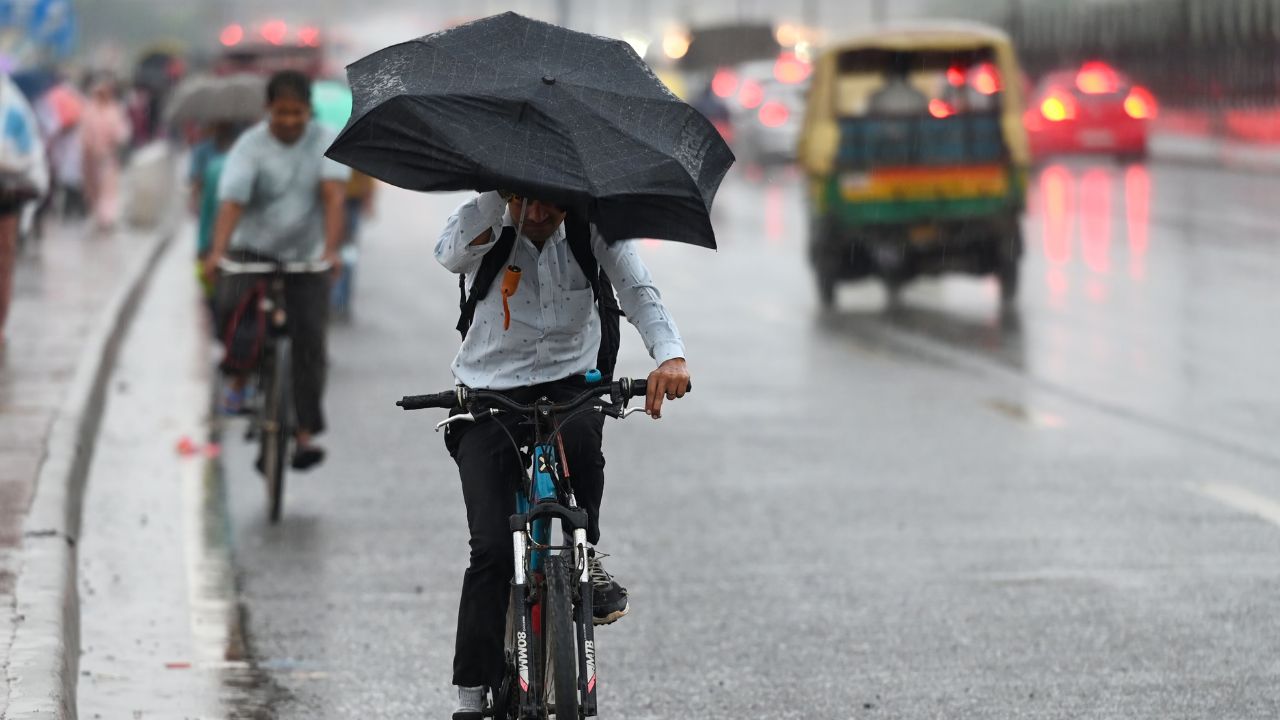
New Delhi: A fresh Western Disturbance is set to impact the Himalayan region on Monday, bringing clouds and isolated rainfall, while the plains of north India brace for a steady rise in temperatures, signalling an early weakening of winter conditions.
What Is a Western Disturbance?
A Western Disturbance is a weather system originating in the Mediterranean region that travels eastward, bringing winter rain and snowfall to parts of north India. These systems play a crucial role in maintaining seasonal rainfall and snowfall over the Himalayas.
According to meteorological experts, the new Western Disturbance will reach the Himalayan belt on Monday, increasing cloud cover and triggering light rainfall in select high-altitude areas.
 Impact on the Himalayan Region
The approaching system is expected to affect Jammu & Kashmir, Himachal Pradesh, and Uttarakhand with cloudy skies and scattered precipitation. While heavy snowfall is not anticipated at this stage, light rain and snow in upper reaches may occur.
Cloud cover is likely to lower daytime temperatures in the mountains temporarily. However, the impact will remain largely confined to the higher altitudes.
Why Are the Plains Heating Up?
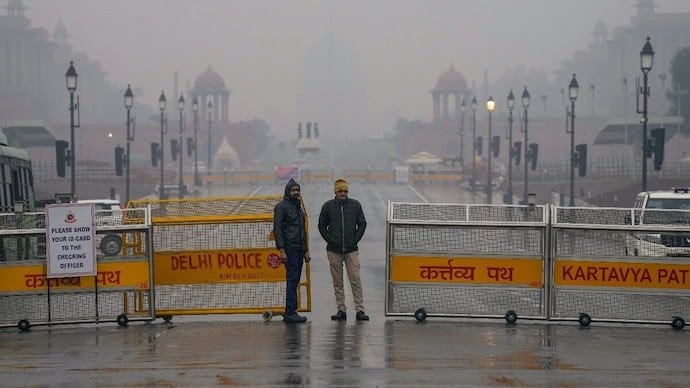
While the mountains prepare for rain, the plains of Delhi, Punjab, Haryana, and western Uttar Pradesh are witnessing rising temperatures. Experts explain that reduced cold winds and clearer skies are allowing stronger solar heating during the day.
As winter systems weaken in frequency and intensity, cold air from northern latitudes struggles to penetrate deep into the plains. This results in warmer afternoons and a gradual departure of the winter chill.
Weather specialists say that such patterns are common in late February, though the current temperature rise appears slightly ahead of the usual seasonal transition.
Early Signs of Seasonal Shift
The increasing warmth across north India suggests a transition towards pre-summer conditions. Morning temperatures remain relatively mild, but afternoons are turning noticeably warmer.
What to Expect in the Coming Days
Forecast models indicate that the Western Disturbance will pass relatively quickly, limiting widespread rainfall. After its exit, temperatures in the plains may continue to climb gradually.
For farmers in the Himalayan foothills, light rainfall could benefit standing crops. However, residents in the plains may need to prepare for warmer afternoons and changing weather patterns.
Overall, the fresh Western Disturbance underscores the dynamic nature of India’s late-winter climate bringing rain to the mountains while signalling warmth across the plains.