What the Proposal Means
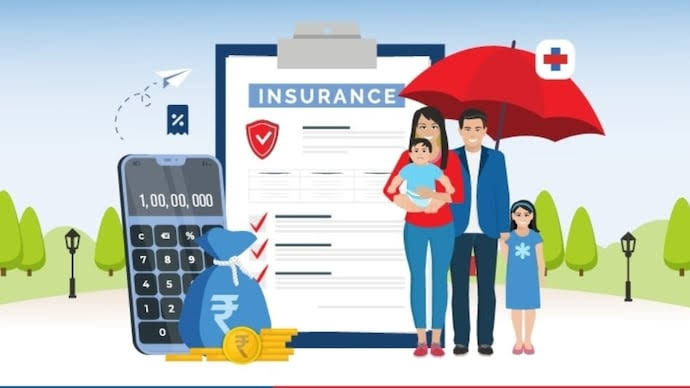
At present, all new and renewed life and health insurance policies attract 18% GST on the base premium. For example, a policy with an annual premium of ₹20,000 results in an additional ₹3,600 in tax, taking the total payable amount to ₹23,600. If the proposed change is approved by the GST Council, customers would only pay the base premium without any extra tax component.
Prime Minister Narendra Modi, in his Independence Day address, hinted at sweeping GST reforms, including changes designed to ease financial pressure on households. The removal of GST on essential financial products like insurance is being positioned as part of this broader effort.
 Why Policies May Not Get Cheaper
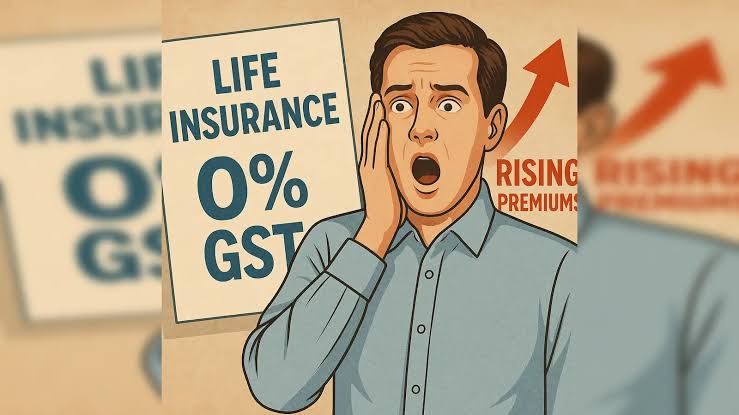
Experts warn that zero GST does not necessarily mean lower overall policy costs. Insurance companies could revise their base premium rates to balance out the removal of tax revenue, which currently contributes significantly to government collections. Additionally, higher claims costs, inflation, and rising medical expenses may continue to drive premiums upward regardless of GST relief.
According to tax and insurance advisors, the absence of GST might only change the structure of what customers see on paper, but it may not substantially reduce the financial burden. “Insurers have flexibility in pricing. While GST removal looks like direct relief, companies may adjust their premiums to maintain margins,” one financial planner noted.
Impact on Life and Health Insurance Uptake
One of the government’s intentions behind the reform is to encourage greater insurance penetration in India, which remains low compared to global standards. The Press Information Bureau has previously highlighted the need for affordable insurance to enhance financial security, especially in rural and middle-class households.
Analysts believe that eliminating GST could make policies more attractive at first glance, particularly for first-time buyers. However, affordability challenges tied to rising premium rates may still deter large-scale adoption.
Industry and Government Response
Insurers are awaiting clarity on how the Centre plans to compensate for revenue lost from scrapping GST on premiums. Insurance companies currently contribute thousands of crores annually in GST collections. The GST Council will need to decide whether the loss will be offset through higher taxation in other sectors or absorbed within fiscal adjustments.
Some industry stakeholders have welcomed the move as a step towards making financial protection more accessible, while others argue that without tighter regulation on base premium pricing, the intended consumer benefit may be diluted.
What Consumers Should Watch
Policyholders and new buyers are advised to focus not just on headline costs but also on the terms and benefits of their plans. Zero GST could simplify billing and reduce paperwork, but experts recommend carefully comparing policies and tracking whether insurers revise their base premiums after the reform takes effect.
Financial advisors stress the importance of viewing insurance as long-term financial security rather than short-term savings. While tax changes may influence the upfront cost, the value of adequate coverage, claim settlement ratios, and additional benefits should remain top priorities for buyers.
The Road Ahead
The GST Council’s decision on this proposal is expected in the coming months. If implemented, it will mark one of the most significant changes to India’s indirect tax system since GST’s introduction in 2017. The long-term success of the reform will depend on whether it genuinely reduces consumer costs or merely reshuffles how insurance pricing is presented.
For now, policyholders can expect greater debate between the Centre, insurers, and regulators over the balance between affordability and fiscal responsibility.