Clarification Ends Long-Running Dispute
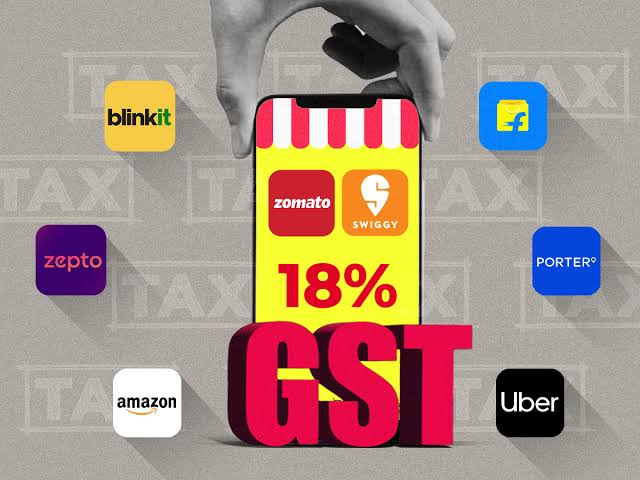
The GST Council’s decision settles a long-standing debate over whether platforms are responsible for remitting taxes on delivery fees collected from customers and paid to gig workers. Under Section 9(5) of the Central GST Act, digital platforms like food delivery, ride-hailing, and e-commerce aggregators are obligated to collect and remit taxes on behalf of service providers.
Food delivery is categorised as a taxable service, attracting 18% GST. While platforms already collect tax on restaurant orders since 2022, delivery charges had remained a grey area until now. The government argued that since aggregators levy service fees, they must also shoulder the tax liability.
 Impact on Companies and Workers
For Zomato, the issue isn’t new. In December 2024, it received a demand notice of ₹803 crore from GST authorities for unpaid tax between 2019 and 2022. Swiggy too faced a pre-demand notice. The latest clarification, however, makes future obligations clear, though how it affects past notices remains uncertain.
Brokerage firms have called the development a mild negative for both companies. Jefferies noted that this change could pressure margins, while Morgan Stanley said platforms would likely pass the burden to customers. Delivery partners, meanwhile, may see reductions in per-order payouts, especially in cases where customers already pay low or discounted delivery charges.
Financial Context
The additional tax comes amid slower growth trends. Both platforms reported under 20% year-on-year growth in gross order value recently, a sharp drop compared to earlier years. In Q1 FY26, Zomato reported an operating profit of ₹451 crore, while Swiggy’s food delivery business posted ₹192 crore. Analysts warn that any new levy on customers could further dampen demand in an already competitive sector.
Industry experts believe this ruling could also impact the wider gig economy, including ride-hailing and hyperlocal delivery firms, where similar tax obligations may apply. The food delivery sector will now have to balance compliance with cost management, all while ensuring customer retention in a slowing market.