What Beijing announced
On October 9, China’s Ministry of Commerce issued a notice widening export controls to cover additional heavy rare-earths, downstream magnet products and certain processing technologies. The rules require exporters to obtain special licences and extend to products containing trace amounts of controlled elements, as well as equipment used in refining and magnet manufacture. Analysts say the measures are the most sweeping to date and will take effect in phases.
 Why the move matters
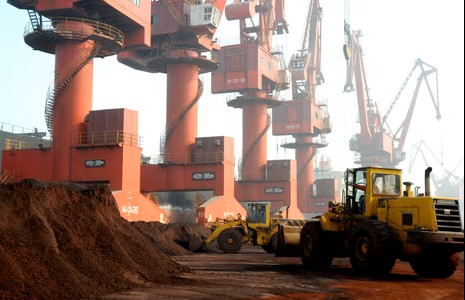
Rare earths are essential in electric vehicles, wind turbines, advanced chips, and many defence systems. Because China currently dominates worldwide processing capacity, tightened controls could disrupt supply chains for semiconductors, EV motors and critical military components — undermining production timelines and raising costs for manufacturers globally. Experts warn that the rules give Beijing fresh leverage in upcoming trade talks.
Trump’s response: tariffs and diplomacy on hold
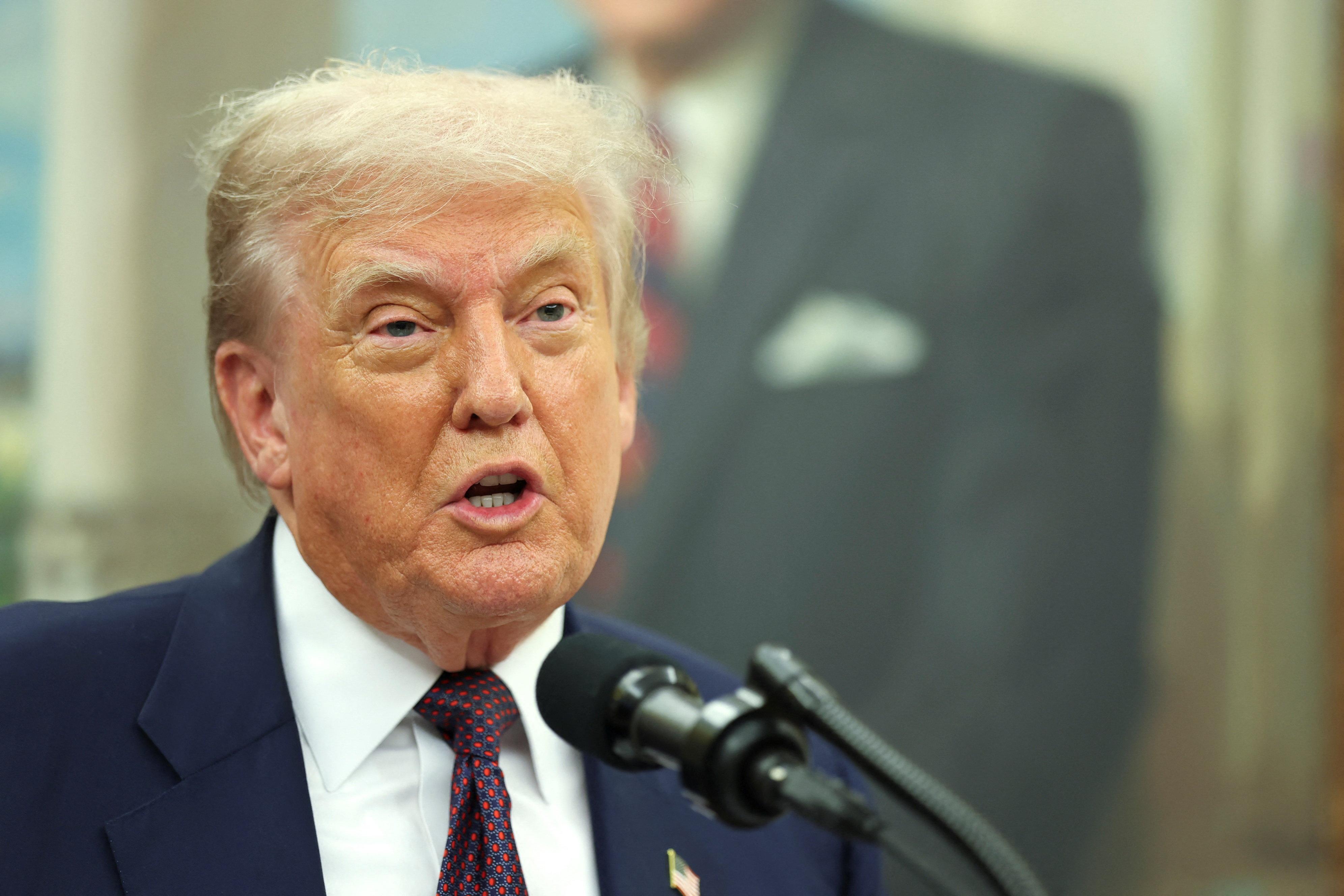
Responding on his social platform, Mr. Trump labelled the curbs “sinister and hostile,” said he saw “no reason” to meet Xi at APEC, and threatened a steep tariff response on Chinese goods — a policy option he described as being “under serious consideration.” The comments signal potential re-escalation of tit-for-tat trade measures between the two economies.
Global and market reaction
Markets reacted nervously. Observers say the announcement could speed rival nations’ efforts to diversify critical-minerals sourcing or boost investment in domestic processing. Policy think-tanks and defence analysts highlighted the immediate concern: several high-end defence platforms and semiconductor supply chains rely on rare-earth-derived components.
India’s position and policy moves
India has been building a response to rare-earth vulnerabilities. The Centre’s National Critical Mineral Mission and related initiatives aim to strengthen domestic exploration, processing and recycling of strategic minerals — steps that can reduce dependence on a single supplier and stabilise local industry. Government portals also note ongoing exploration and incentive schemes to increase domestic capacity.
What to watch next
Key indicators to monitor over the coming weeks include whether Beijing enforces licensing strictly from December (as flagged in the notices), Washington’s concrete countermeasures beyond rhetoric, and whether planned diplomacy at APEC proceeds. Any official tariff announcement, reciprocal curbs or licensing denials will materially reshape trade and tech supply strategies worldwide.
For background on India’s policy steps on critical minerals, readers can consult the Ministry of Commerce & Industry and Press Information Bureau releases on the National Critical Mineral Mission.