 “India wants to keep Pakistan busy”
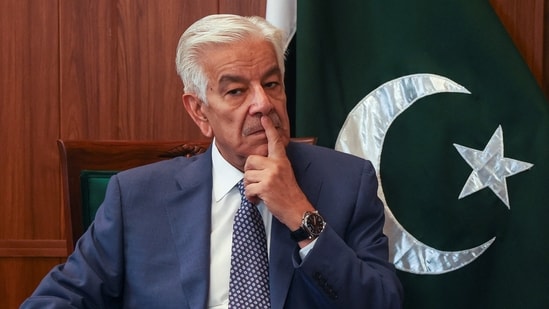
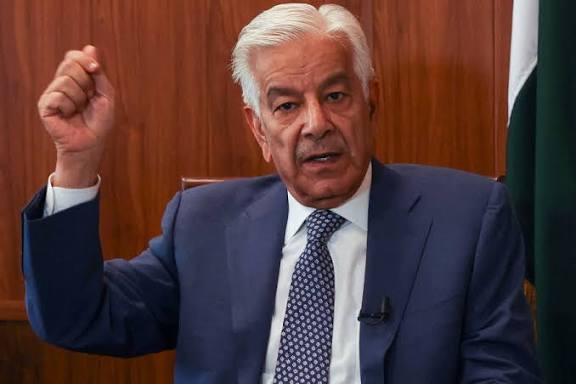
In an interview with Geo News, Khawaja Asif alleged that India has long sought to keep Pakistan “preoccupied” with security concerns on both borders. “India seeks to keep Pakistan engaged on two fronts the eastern and western,” Asif claimed, suggesting that the clashes with Afghanistan and border skirmishes with India are part of this larger strategy.
He further accused India of waging a “proxy war” since the Ashraf Ghani era in Afghanistan, claiming that “Delhi’s influence in Kabul” was widely recognized and had destabilizing consequences for the region.
Ceasefire with Afghanistan after Istanbul talks
Following weeks of cross-border shelling, Pakistan and Afghanistan agreed to maintain a ceasefire after peace talks in Istanbul, mediated by Qatar and Turkey. The discussions came after one of the deadliest confrontations in recent months, which coincided with Taliban foreign minister Amir Khan Muttaqi’s visit to India.
Asif expressed optimism that the mediation would stabilize the situation, saying, “We hope that peace efforts by Qatar and Turkey will bear positive results.”
Accusations against Kabul and India
Asif has repeatedly alleged that Afghanistan’s Taliban government is acting as India’s proxy. He claimed that the “people in Kabul pulling the strings are being controlled by Delhi,” echoing earlier statements made during his warnings of a possible “two-front war.”
“If necessary, we will present proof,” he asserted, maintaining that Pakistan’s intelligence agencies possess evidence of Indian involvement in recent border flare-ups.
Regional tensions and implications
The minister’s comments come amid fragile regional peace. Analysts say that such accusations could further strain Pakistan’s diplomatic relations with both India and Afghanistan, particularly at a time when the country faces internal political and economic instability.
India has yet to respond officially to Asif’s statements. However, New Delhi has consistently maintained that it seeks regional peace and does not interfere in Afghanistan’s domestic affairs. The Ministry of External Affairs has previously called Pakistan’s allegations “baseless and diversionary.”
Observers in Islamabad note that Asif’s remarks may be aimed at rallying domestic political support by framing external threats as unifying factors.
Looking ahead
While both nations have engaged in periodic talks through mediators like Qatar and Turkey, mistrust remains high. The latest ceasefire will test whether Pakistan and Afghanistan can sustain dialogue without renewed border violence, even as Islamabad continues to view India’s regional presence with suspicion.
Experts believe that continued rhetoric of a “two-front war” could hinder diplomatic progress and escalate military preparedness on both sides, raising concerns about stability in South Asia.