 The Epic Transition: Silappatikaram and Manimekalai
While the Sangam texts celebrated love (Akam) and heroism (Puram), the Tamil epics introduced spiritual and moral dimensions to society. Silappatikaram narrates the story of Kannagi, a woman whose moral outrage and quest for justice led to the fiery destruction of Madurai, symbolizing the triumph of dharma over royal authority. Its sequel, Manimekalai, focused on Buddhist teachings, emphasizing mercy and spiritual liberation over worldly fame.
Jain and Buddhist Influence on Tamil Literature
The post-Sangam period saw Jain and Buddhist scholars composing Tamil texts that promoted asceticism and renunciation, diverging from the secular heroism of the Sangam age. Works like the Nalaṭiyar and the Patineṇkīḻkaṇakku emphasized virtue and detachment, subtly weaving North Indian religious philosophies into Tamil cultural consciousness while maintaining the beauty of classical Tamil literary style.
Kannagi: From Literature to Politics
The figure of Kannagi transcended literature to become a symbol of Tamil pride and justice. Political leaders like M. Karunanidhi immortalized her in cinema and public memorials, including the iconic statue at Marina Beach. Its removal and reinstallation reflected modern cultural battles over Tamil identity and Dravidian self-respect.
Bhakti Revival and Emotional Resonance
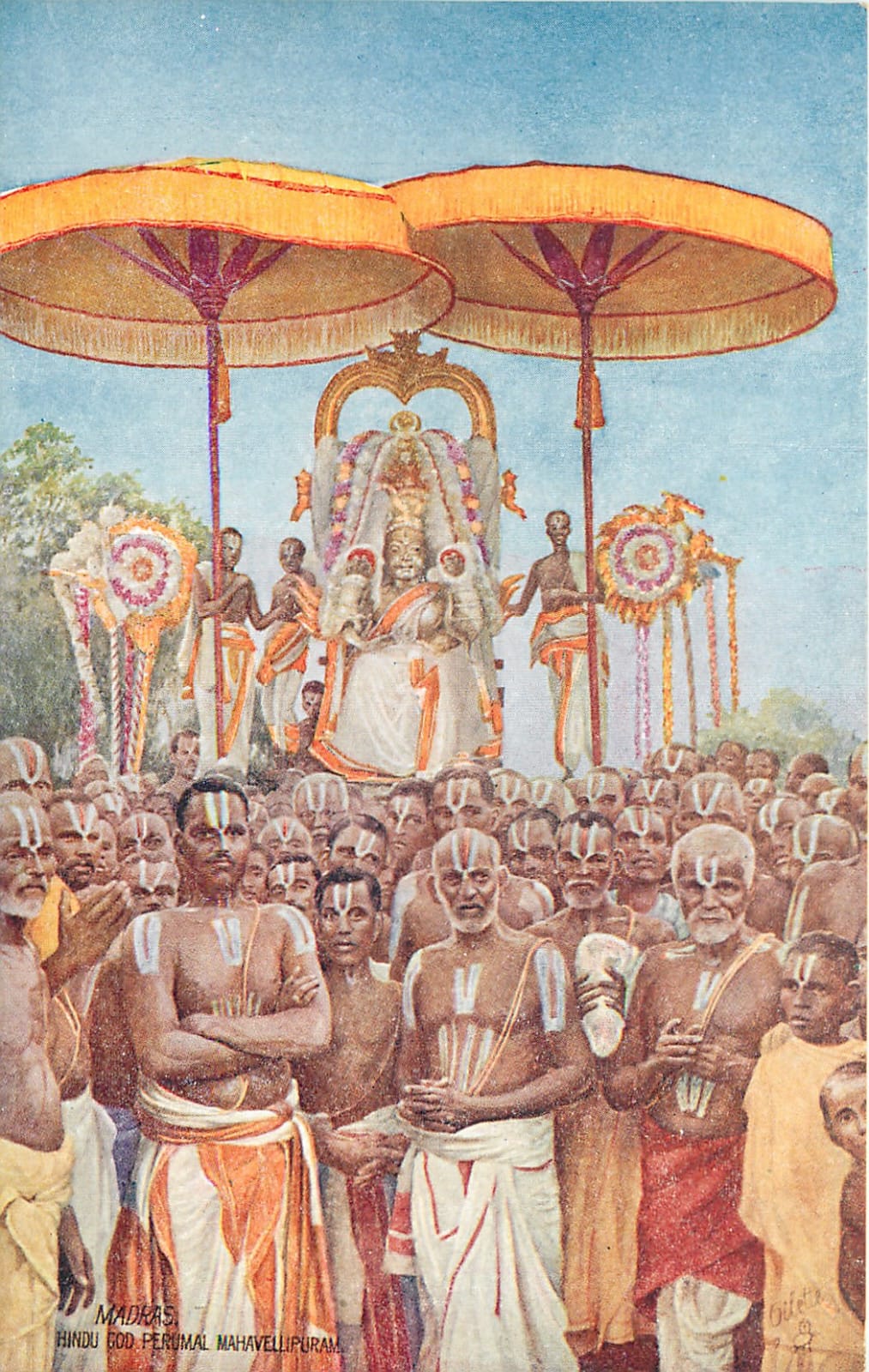
As ascetic philosophies reached their limits in addressing the spiritual and emotional needs of the masses, the Bhakti movement, led by Nayanmars and Alwars, emerged. This revival reconnected Tamil people with temples, devotional poetry, and cultural practices, combining the moral intensity of Kannagi with the compassionate teachings of Manimekalai, and reinforcing Tamil identity through spirituality and artistic expression.
Legacy for Modern Tamil Nadu
The epic literature of Tamilakam continues to influence Tamil Nadu’s politics, language, and cultural pride. It illustrates how literature shapes collective consciousness, providing a bridge between ancient spiritual wisdom and contemporary political narratives. For students, scholars, and citizens alike, these epics offer insight into the state’s enduring devotion to justice, morality, and identity.